Which stocks deserve a second look after a major earnings update?
Start with a clear view of what changed
When a company reports earnings, the market reacts quickly. Share prices move, estimates get revised, and the story you thought you understood may no longer hold. That is exactly the right moment to revisit your watchlist and screen for stocks that now look different from a week ago. The question is not whether to act, but how to separate real shifts from temporary noise.
A structured approach helps. Rather than chasing headlines, you can use a stock research dashboard to filter candidates by the metrics that matter most after an earnings release. The goal is to compare what was expected with what was delivered, and then decide whether your investment thesis still stands.
Earnings growth relative to expectations
The headline number - earnings per share - tells you only part of the story. What matters more is the surprise: did the company beat or miss consensus estimates, and by how much? A beat of 5% or more often signals underlying strength, but context is everything. A small beat from a company that just lowered guidance is less meaningful than a large beat from one that maintained or raised its outlook.
Look at the trend too. If a company has beaten estimates for four consecutive quarters, the latest result reinforces a pattern. If it missed after a long streak, dig into why. Sometimes a one-time charge or currency swing explains the miss. Other times it points to fading demand or rising costs.
On a good dashboard, you can sort candidates by earnings surprise percentage and compare it against the sector median. That gives you a quick sense of which companies are truly outperforming their peers.
Price performance and volume after the release
How the market absorbed the news matters as much as the news itself. A stock that rises on higher volume after a beat tends to attract institutional interest. One that drops despite good numbers may have priced in the good news already, or the guidance may have disappointed.
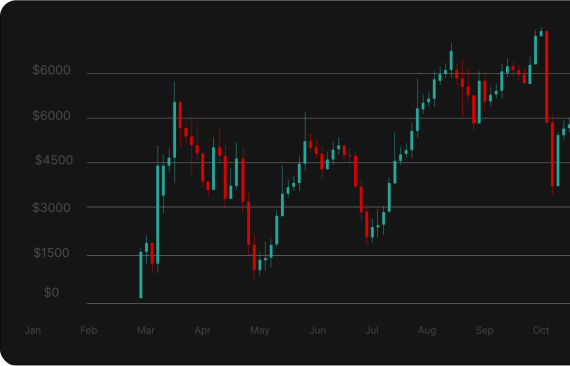
Check the price move over the next few days, not just the first hour. Sometimes the initial reaction reverses as more analysts publish their notes. If the stock holds its gains or drifts higher on steady volume, the reaction looks genuine. If it fades, the market may be second-guessing the result.

Also watch for gaps. A stock that opens sharply higher and stays there signals conviction. One that opens higher but closes near its low suggests profit-taking or skepticism.
Revisions to forward estimates
Analysts update their models after earnings. The direction and magnitude of those revisions often drive the stock more than the reported quarter itself. A stock that beats and sees upward revisions to next year's estimates has a stronger catalyst than one that beats but leaves estimates unchanged.
On a stock research dashboard, you can track the number of upward versus downward revisions over the past week. A ratio of three to one or better is a positive sign. But be careful: revisions can lag by a few days, so check again after a week to see the full picture.
Tickspike Markets is also on YouTube.
Changes in valuation multiples
Earnings reports often reset the valuation. The price-to-earnings ratio based on the new forward estimates may look very different from what it was before the release. A stock that looked expensive at 25 times trailing earnings might now trade at 20 times forward earnings after a beat, making it more attractive. Conversely, a miss can make a stock look cheaper on the surface while the underlying business weakens.
Compare the current multiple to the stock's own five-year average and to its industry. A stock that trades below both after a solid report may have been oversold on sentiment. That can create an opportunity if the business quality is intact.
Be wary of stocks that look cheap only because earnings collapsed. A low P/E after a big miss often signals a value trap. Check whether the business has a path back to growth, and whether the balance sheet can support it through the downturn.
Peer comparison within the sector
Earnings season is a relative game. One company's result can reshape expectations for the whole sector. If a leader in your industry reports weak demand, even a solid report from a smaller player may get punished by association. The reverse is also true: a strong report from a bellwether can lift the entire group.
Screen for stocks in the same sector that reported around the same time. Compare their revenue growth, margin trends, and guidance. A company that held up better than its peers may deserve a higher allocation in your portfolio. One that lagged despite a good market backdrop may have company-specific problems you should avoid.
Reassess your investment thesis
The most important step after any earnings update is to ask whether your original reasons for owning the stock still hold. If you bought a company for its strong free cash flow and it just reported a big capital expenditure increase, that thesis weakens. If you held it for its dividend growth and the payout ratio jumped, you need to reconsider the safety of the income.
Write down three or four key assumptions you had before the report. Then check each one against the new data. If most still hold, the stock may still be a keeper. If several are broken, it may be time to sell or trim.
Tools like Tickspike Markets make this process more systematic. Their platform lets you screen stocks by the exact metrics that matter after earnings, from valuation indicators to business quality scores. You can build watchlists that track revisions and price performance side by side, so nothing slips through the cracks.
Portfolio allocation after the dust settles
Once you have reviewed each candidate, decide how it fits into your overall portfolio. A stock that rose 15% on a strong report may now be overweight relative to your target allocation. Selling a portion to rebalance is a disciplined move, even if you still like the stock. A stock that fell on a temporary issue may offer a chance to add at a better price, but only if your thesis and the company's outlook remain solid.
Think about position sizing in terms of conviction and risk. A company that delivered a clear beat, raised guidance, and trades at a reasonable multiple deserves a larger weight than one that barely cleared the bar and gave cautious commentary. Your portfolio should reflect that difference.
Watch for red flags that don't show up in the numbers
Not everything that matters appears on a dashboard. Listen to the earnings call if you can. Pay attention to how management answers tough questions. Do they deflect, or do they give straight answers? Are they confident about the pipeline, or do they sound defensive? A CEO who stumbles on basic questions about the competitive landscape may be hiding something.
Also check insider trading activity in the weeks following the report. Insiders who sell large blocks after a strong quarter may signal that they see the stock as fully valued. Insiders who buy after a miss show conviction that the market may be missing.
A practical workflow for earnings season
If you want a repeatable process, here is one that works:
- Start with a broad screen using your dashboard. Filter for stocks that reported in the past week and that meet your minimum market capitalization and liquidity requirements.
- Sort by earnings surprise and revision momentum. Focus on the top 20% in each category.
- Review the price action and volume for each candidate. Eliminate any that gapped down on high volume without a clear explanation.
- Read the earnings call transcript or summary for the remaining names. Look for guidance changes and management tone.
- Make a final list of five to ten stocks. Reassess your thesis for each, and decide on a clear action: buy, sell, hold, or add.
This workflow keeps you disciplined and prevents emotional decisions. It also helps you cover more ground in less time, because you focus on the names that actually matter.
For anyone who manages a portfolio seriously, having a reliable stock research dashboard is not optional. Platforms such as Tickspike Markets give you the screening filters, peer comparison tools, and portfolio allocation features to do this work efficiently. The key is to use them consistently, not just when earnings season comes around.
Closing thoughts on the process
Earnings updates create both risk and opportunity. The stocks that look most interesting after a report are often the ones where the market overreacted in one direction or the other. By taking a systematic approach, you can find those mispricings before they correct.
Remember that no single metric tells the whole story. Combine earnings surprises with price performance, valuation changes, and peer comparisons. And always go back to your investment thesis. If the facts have changed, change your position. If they have not, stay the course.
Tickspike Markets, located at 44/89 RAMANIKA, Thirupurakkal Colony, Melamuri, Palakkad, Keralam 678012, India, and reachable at +91-7411498895, provides the tools for this kind of disciplined research.